

Whether you’re a newcomer to the kitchen or looking to refine your culinary skills, mastering a few fundamental techniques can dramatically improve your cooking results. These six essential cooking tips represent the cornerstone practices that professional chefs rely on daily but are equally valuable for home cooks.
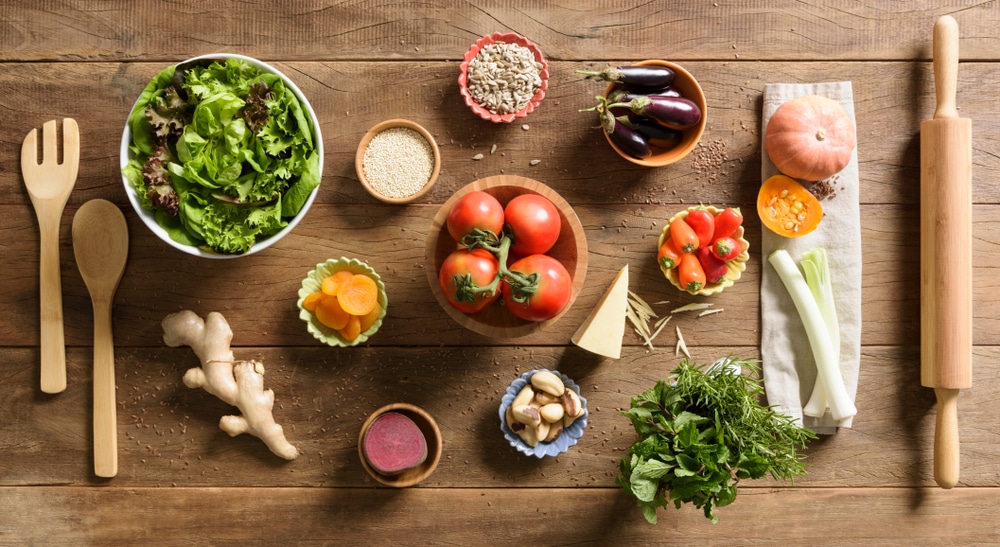
1. Master the Art of Mise en Place
The French culinary phrase “mise en place” translates to “everything in its place,” and it might be the single most important cooking principle you can adopt.
Before heating a single pan:
- Read your recipe completely, at least twice
- Measure and prepare all ingredients
- Chop all vegetables and herbs
- Organize your workspace with tools readily accessible
This methodical preparation eliminates the frantic scramble to chop an onion while your garlic burns in the pan. Beyond the practical benefits, mise en place transforms cooking from a stressful experience into a composed, almost meditative practice.
Pro Tip: Use small bowls or ramekins to hold your prepped ingredients, grouping items that will be added to the pot at the same time.
2. Understand Heat Management
Heat is the primary tool in cooking, yet many home cooks don’t fully grasp how to control it effectively.
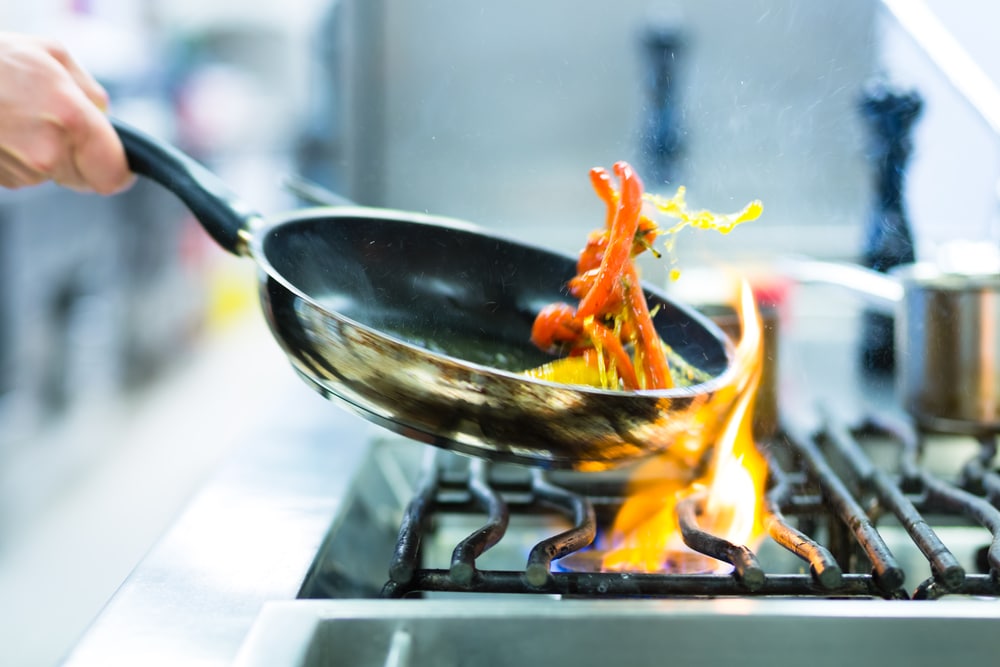
Key heat management principles:
Preheating is essential. Whether using an oven, skillet, or grill, allow your cooking surface to reach the proper temperature before adding food. Cold pans lead to sticking and uneven cooking.
Match heat levels to cooking processes. High heat creates browning and caramelization—perfect for searing meats. Low, gentle heat allows for protein denaturation and flavor development in braises and stews.
Avoid overcrowding your pan. When too many ingredients are added simultaneously, they release moisture and steam rather than brown, resulting in bland, soggy food.
Pro Tip: Listen for the right sizzle. Food should make a gentle, consistent sizzling sound when it hits the pan—not a violent sputter or silence.
3. Salt Properly and Consistently
Nothing impacts flavor more directly than proper salting, yet many home cooks either under-salt their food or add salt only at the table.

Salt is not merely a flavor enhancer—it’s a critical ingredient that:
- Draws out moisture from ingredients
- Helps develop flavor compounds
- Reduces bitterness
- Enhances sweetness and other taste perceptions
Season food in layers throughout the cooking process rather than solely at the beginning or end. Different types of salt (kosher, sea salt, table salt) have different densities, affecting how they distribute flavor.
Pro Tip: Keep a small dish of kosher salt near your cooking area for easy pinching and consistent seasoning.
4. Learn to Balance Flavors
Great cooking is fundamentally about creating balance among five key taste elements: saltiness, sweetness, sourness, bitterness, and umami (savory depth).
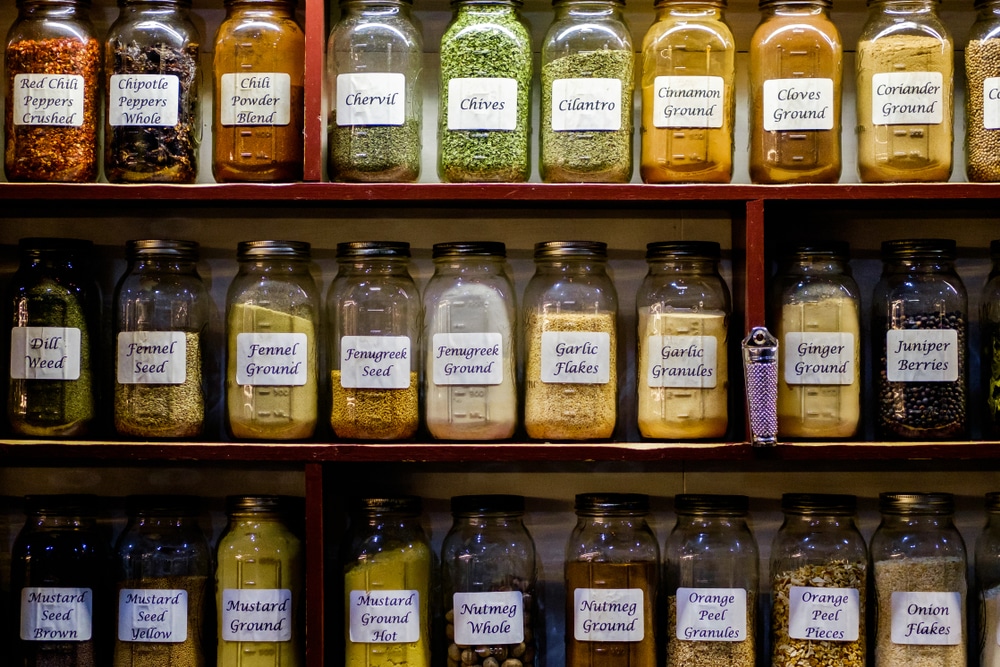
How to correct common flavor imbalances:
If a dish tastes flat or one-dimensional: It likely lacks acid. Add a splash of vinegar, squeeze of lemon, or dash of fermented ingredient.
If something tastes too acidic or bitter: A small amount of sweetness can create balance. This doesn’t necessarily mean adding sugar—sometimes a naturally sweet vegetable or even salt can counteract these sharp notes.
For more richness and depth: Develop umami through browning, caramelization, or adding umami-rich ingredients (mushrooms, tomatoes, aged cheeses, or fermented products).
Pro Tip: When a dish needs “something” but you can’t identify what’s missing, try adding a tiny amount of acid first. It’s often the missing element.
5. Respect Cooking and Resting Times
Patience distinguishes skilled cooks from novices. Understanding when food is properly cooked requires both technical knowledge and sensory awareness.
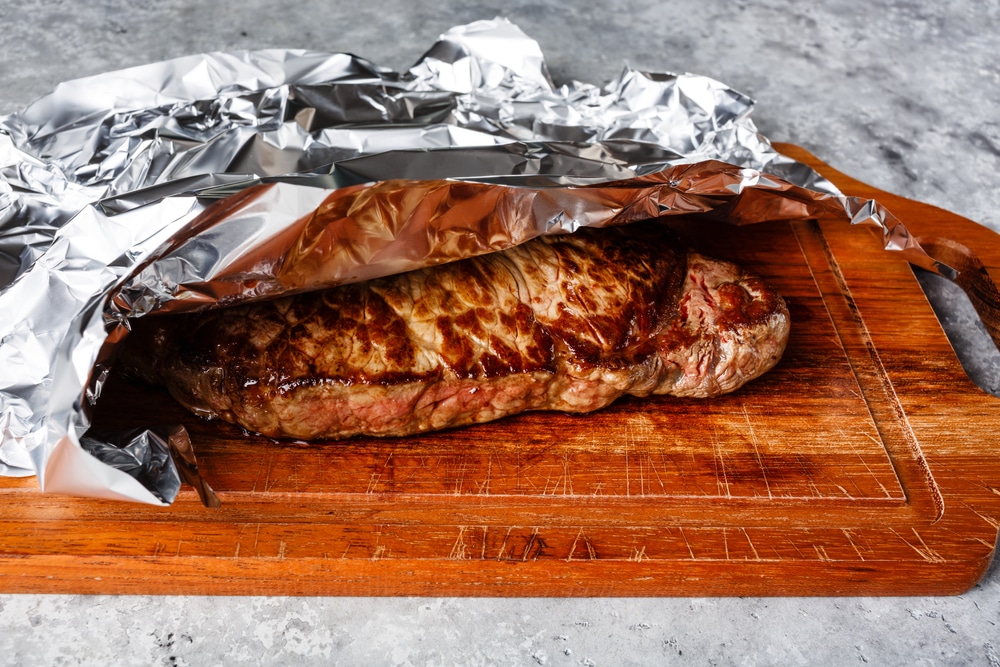
The importance of resting proteins: This isn’t merely tradition—it allows for moisture redistribution throughout the protein, resulting in juicier results. Rest larger cuts of meat for 5-10 minutes before slicing.
Learn to recognize visual cues of doneness beyond simply following prescribed cooking times. The way a fish fillet separates, how a steak feels when pressed, or the translucency of caramelizing onions all communicate important information.
Time-intensive processes require patience:
- Properly caramelized onions: 30-45 minutes
- Rich homemade stocks: 3-6 hours of gentle simmering
- Tender braises: Often 2-3 hours at minimum
Pro Tip: Use a timer but trust your senses. Times in recipes are guidelines, not guarantees, since ingredients and equipment vary.
6. Keep Your Knives Sharp and Learn Basic Knife Skills
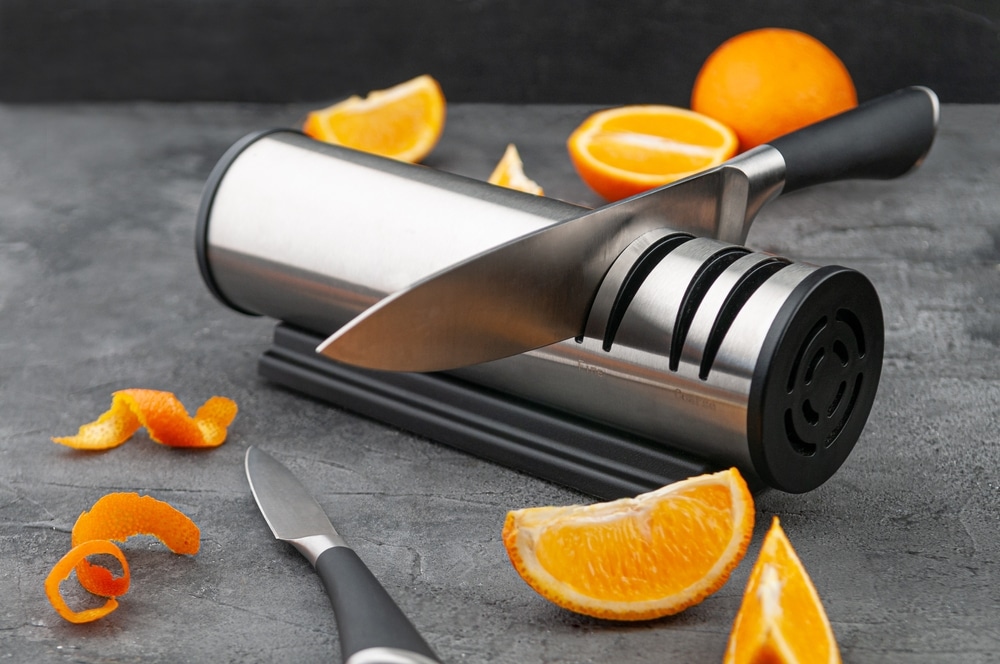
No tool impacts cooking efficiency and enjoyment more than properly maintained, sharp knives.
Why knife skills matter:
- A sharp knife is significantly safer than a dull one
- Consistent cutting creates even cooking
- Proper technique improves efficiency and reduces fatigue
Essential knife cuts to master:
- The slice (basic straight cut)
- The dice (creating cubes of consistent size)
- The julienne (thin matchstick cuts)
- The chiffonade (fine ribbons of leafy herbs or greens)
Fundamental techniques:
- The “pinch grip” on the blade for control
- The “claw technique” for guiding food and protecting fingers
Pro Tip: Invest in a quality knife sharpener and learn to use it properly. Even expensive knives become dangerous and inefficient when dull.
Conclusion
These six fundamental cooking principles form the foundation upon which all great cooking is built. Rather than focusing exclusively on recipes, developing these core techniques will transform your relationship with cooking, allowing you to approach the kitchen with confidence and creativity.
As you practice and internalize them, you’ll find yourself relying less on strict recipes and more on your developing instincts. This evolutionary process represents the true joy of cooking—the gradual transformation from merely following instructions to expressing yourself through food.